Living in the Country is a 92-page illustrated workbook designed to gently introduce children to the beauty, rhythms, and values of rural life. Through storytelling, poetry, handwriting, nature study, and thoughtful reflection, children explore the world of farms, gardens, animals, and community while learning the heart of simple living and self-reliance principles.
This workbook is perfect for homeschool families, classrooms, nature-loving children, and anyone who wants to slow down and reconnect with the land, work, and relationships that shape country life.
What Children Will Learn
Children will discover how people live, work, and thrive in rural communities by exploring:
How land and seasons shape daily life
Where food comes from and how it is grown
How animals, gardens, and wild spaces work together
The importance of caring for a home and community
How people practice self-reliance through growing, preserving, building, and helping one another
All lessons are presented in a gentle, story-centered way that encourages curiosity, responsibility, and appreciation for God’s creation and the people who tend it.
What’s Inside (10 Beautiful Sections)
1. Welcome to the Country
A warm introduction to slow living, open land, and the peaceful rhythms of rural life.
2. The Land Through the Seasons
How spring, summer, fall, and winter shape farm work, gardens, and daily routines.
3. Gardens and Growing Things
Vegetables, flowers, soil, pollinators, and trees — how plants grow and how people care for them.
4. Farm Animals and Helpful Pets
Farm animals, barn cats, birds, and helpful creatures that share the land.
5. The Wild Beyond the Fields
Meadows, woods, insects, frogs, rabbits, and deer that live just beyond the farm.
6. Working with Your Hands
Building, fixing, mending, and using tools — learning the value of practical skills.
7. From Earth to Table
How food is grown, gathered, cooked, and shared with family and neighbors.
8. Saving for Another Day
Preserving food, drying herbs, seed saving, and storing for the future.
9. Home Is Where the Heart Is
Homemaking, cooking, caring, and creating warmth and comfort.
10. Joy in Community
Neighbors helping neighbors, farmers markets, county fairs, 4-H, church, gatherings, and the simple joy of being together.
Wrap-Up: A Day in the Country
A gentle story that walks children through a full day of rural life, tying everything together.
Workbook Features
Storybook-style watercolor illustrations
Poetry and recitation
Handwriting and copywork pages
Thoughtful question-and-answer prompts
Diagrams and nature-study elements
Coloring pages for creativity and calm
This workbook blends education, art, and heart, making learning feel peaceful and meaningful.
Who This Is For
Homeschool families
Classrooms
Nature-loving children
Farm and country-life enthusiasts
Families teaching self-reliance, responsibility, and simple living
Children ages 5–12 (great for read-aloud or independent work)
Living in the Country is a 92-page illustrated workbook designed to gently introduce children to the beauty, rhythms, and values of rural life. Through storytelling, poetry, handwriting, nature study, and thoughtful reflection, children explore the world of farms, gardens, animals, and community while learning the heart of simple living and self-reliance principles.
This workbook is perfect for homeschool families, classrooms, nature-loving children, and anyone who wants to slow down and reconnect with the land, work, and relationships that shape country life.
What Children Will Learn
Children will discover how people live, work, and thrive in rural communities by exploring:
How land and seasons shape daily life
Where food comes from and how it is grown
How animals, gardens, and wild spaces work together
The importance of caring for a home and community
How people practice self-reliance through growing, preserving, building, and helping one another
All lessons are presented in a gentle, story-centered way that encourages curiosity, responsibility, and appreciation for God’s creation and the people who tend it.
What’s Inside (10 Beautiful Sections)
1. Welcome to the Country
A warm introduction to slow living, open land, and the peaceful rhythms of rural life.
2. The Land Through the Seasons
How spring, summer, fall, and winter shape farm work, gardens, and daily routines.
3. Gardens and Growing Things
Vegetables, flowers, soil, pollinators, and trees — how plants grow and how people care for them.
4. Farm Animals and Helpful Pets
Farm animals, barn cats, birds, and helpful creatures that share the land.
5. The Wild Beyond the Fields
Meadows, woods, insects, frogs, rabbits, and deer that live just beyond the farm.
6. Working with Your Hands
Building, fixing, mending, and using tools — learning the value of practical skills.
7. From Earth to Table
How food is grown, gathered, cooked, and shared with family and neighbors.
8. Saving for Another Day
Preserving food, drying herbs, seed saving, and storing for the future.
9. Home Is Where the Heart Is
Homemaking, cooking, caring, and creating warmth and comfort.
10. Joy in Community
Neighbors helping neighbors, farmers markets, county fairs, 4-H, church, gatherings, and the simple joy of being together.
Wrap-Up: A Day in the Country
A gentle story that walks children through a full day of rural life, tying everything together.
Workbook Features
Storybook-style watercolor illustrations
Poetry and recitation
Handwriting and copywork pages
Thoughtful question-and-answer prompts
Diagrams and nature-study elements
Coloring pages for creativity and calm
This workbook blends education, art, and heart, making learning feel peaceful and meaningful.
Who This Is For
Homeschool families
Classrooms
Nature-loving children
Farm and country-life enthusiasts
Families teaching self-reliance, responsibility, and simple living
Children ages 5–12 (great for read-aloud or independent work)
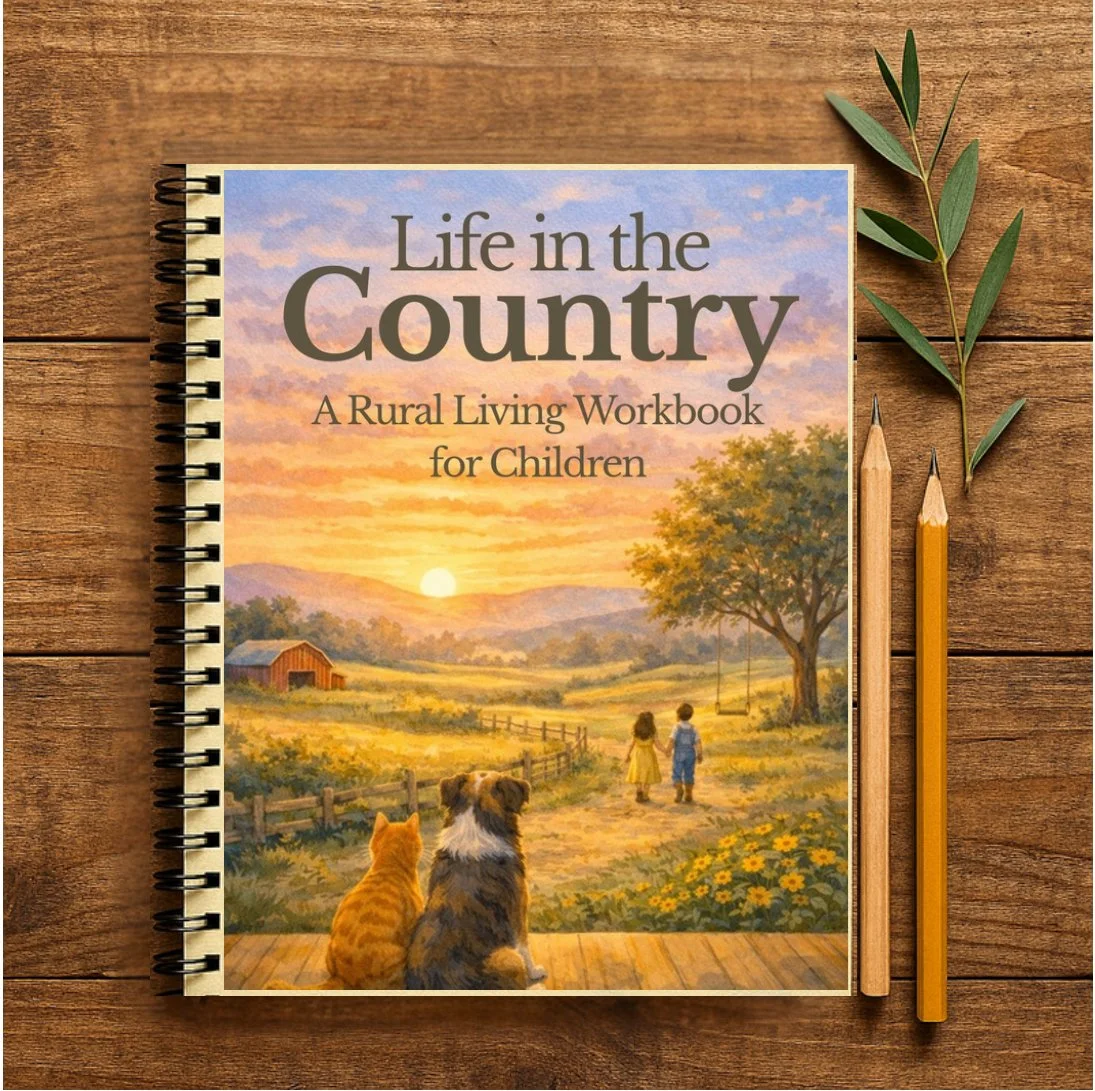 Image 1 of 21
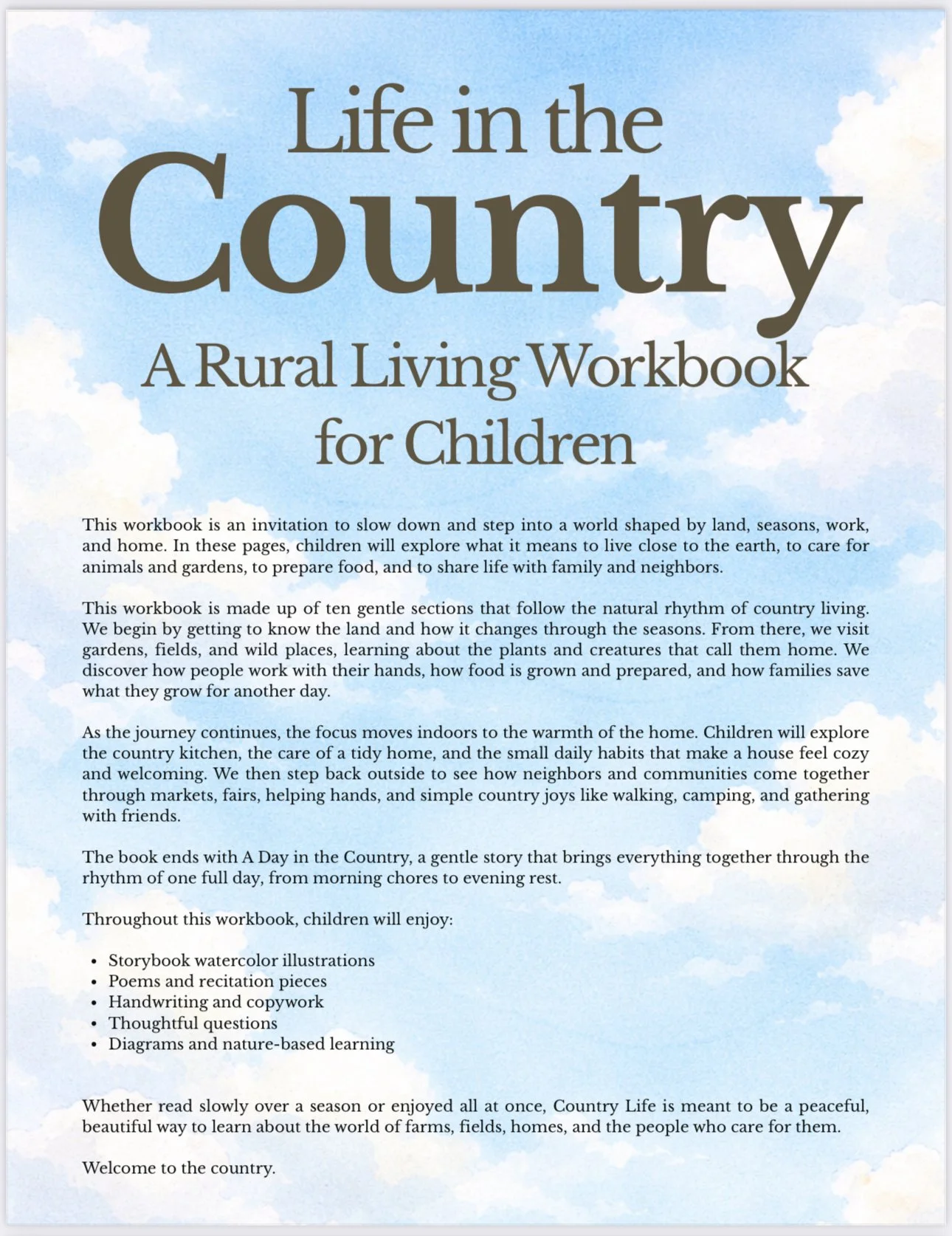 Image 2 of 21
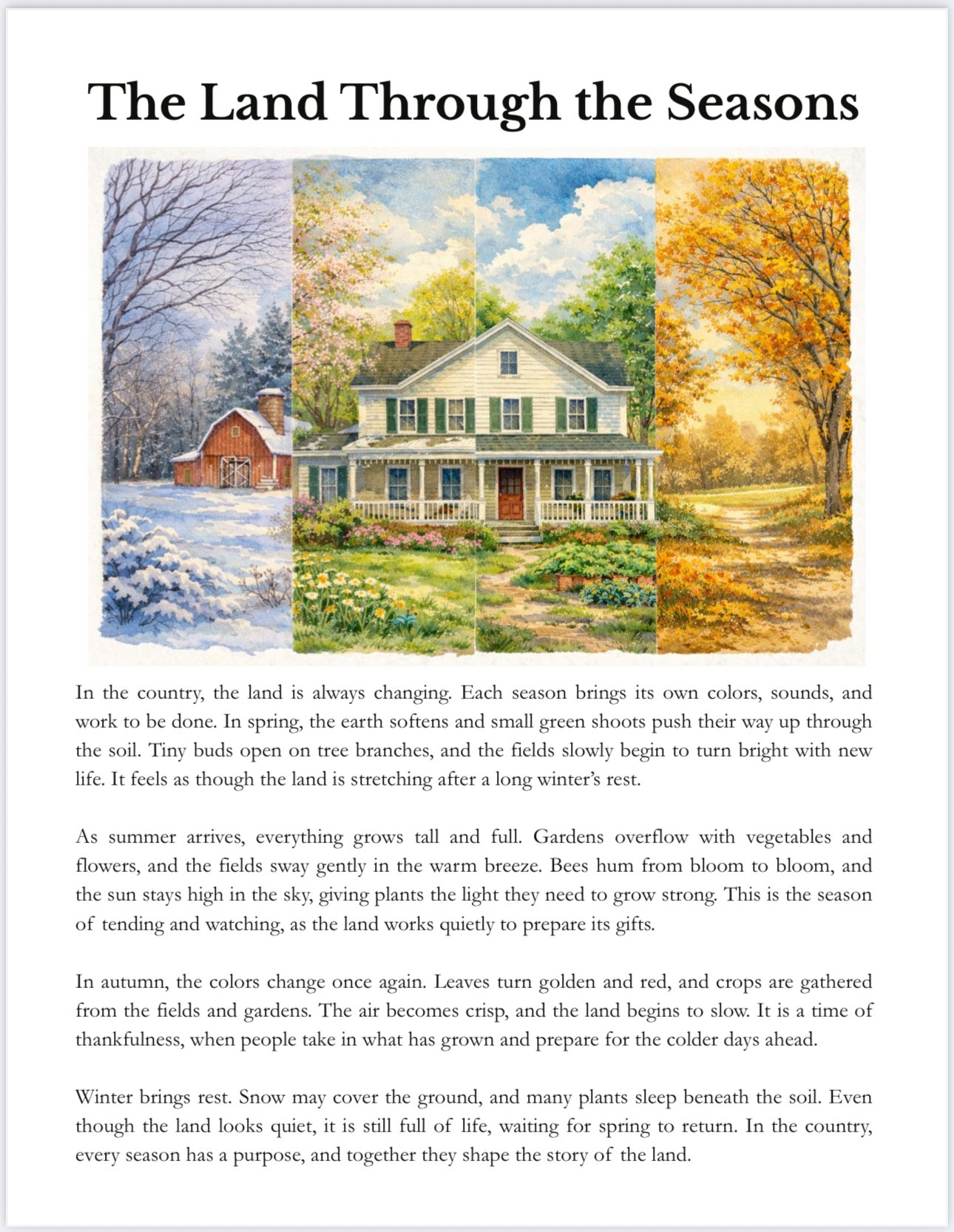 Image 3 of 21
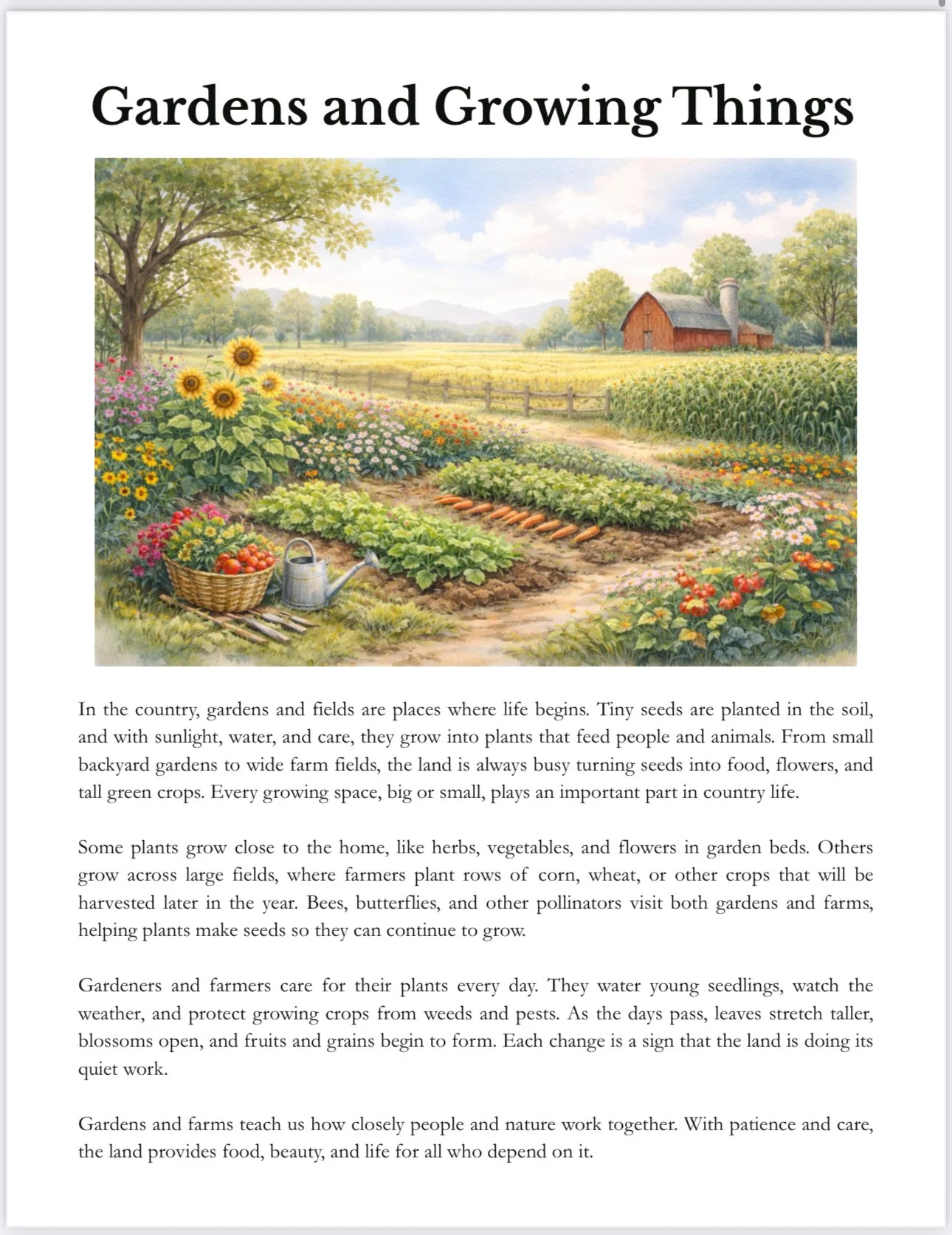 Image 4 of 21
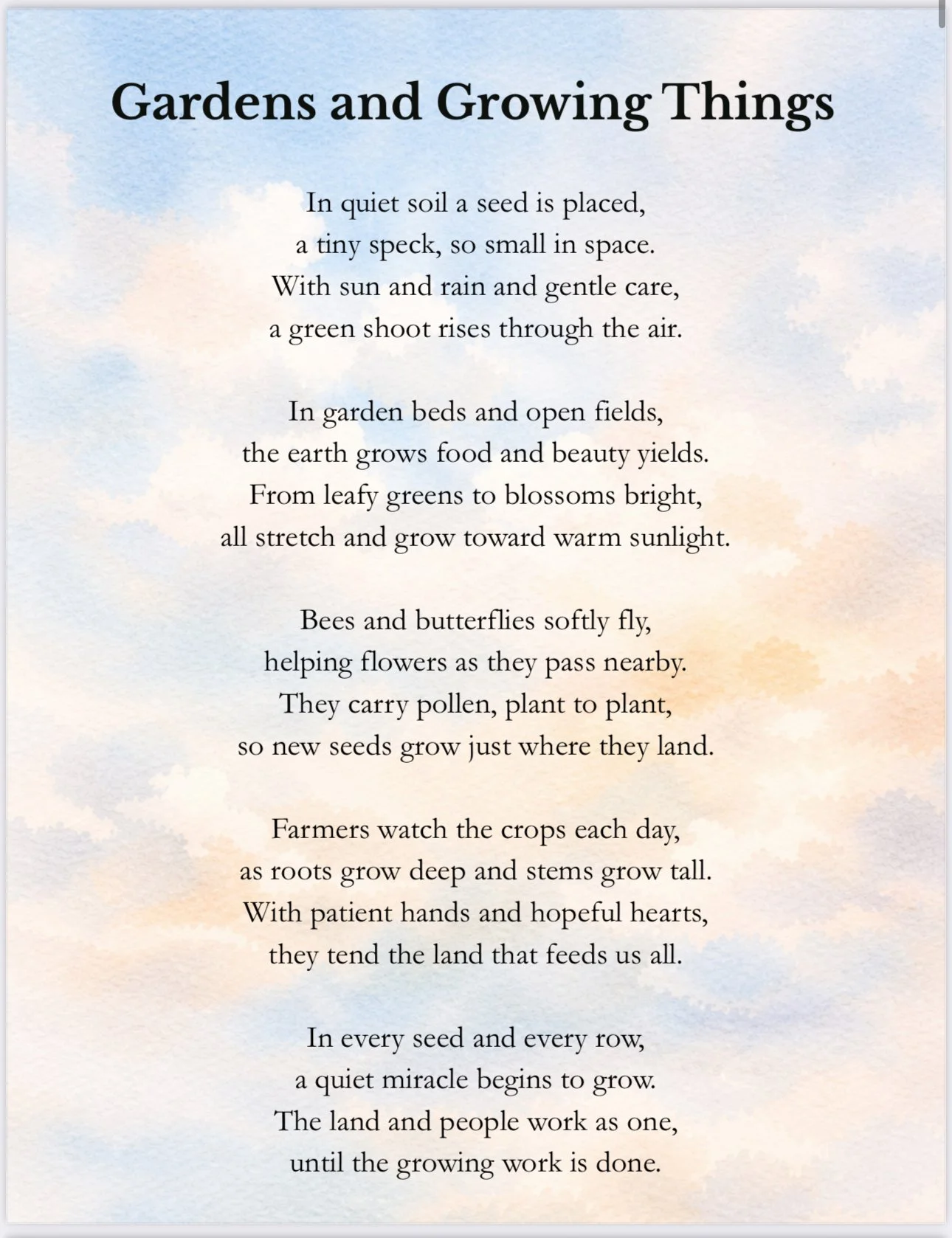 Image 5 of 21
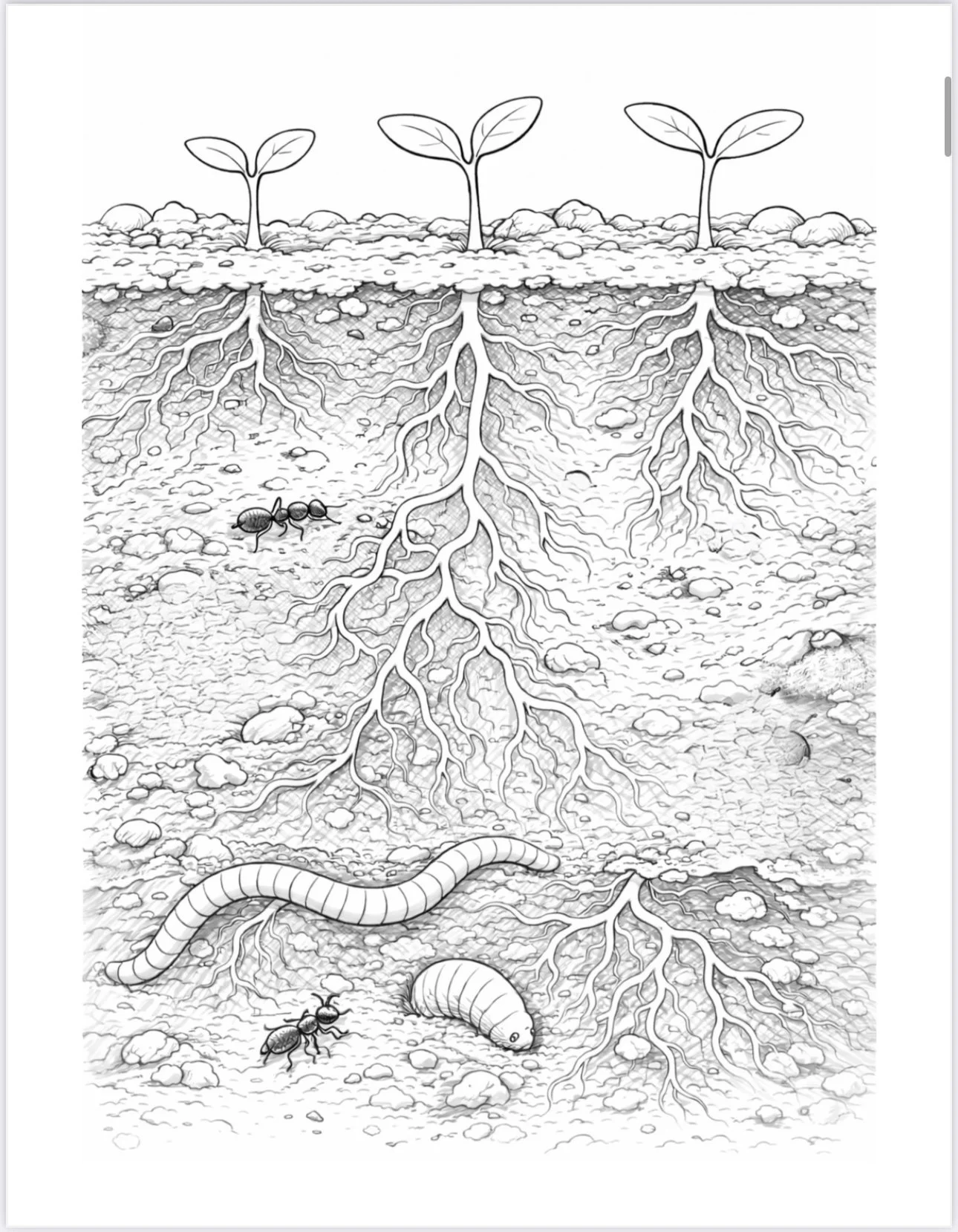 Image 6 of 21
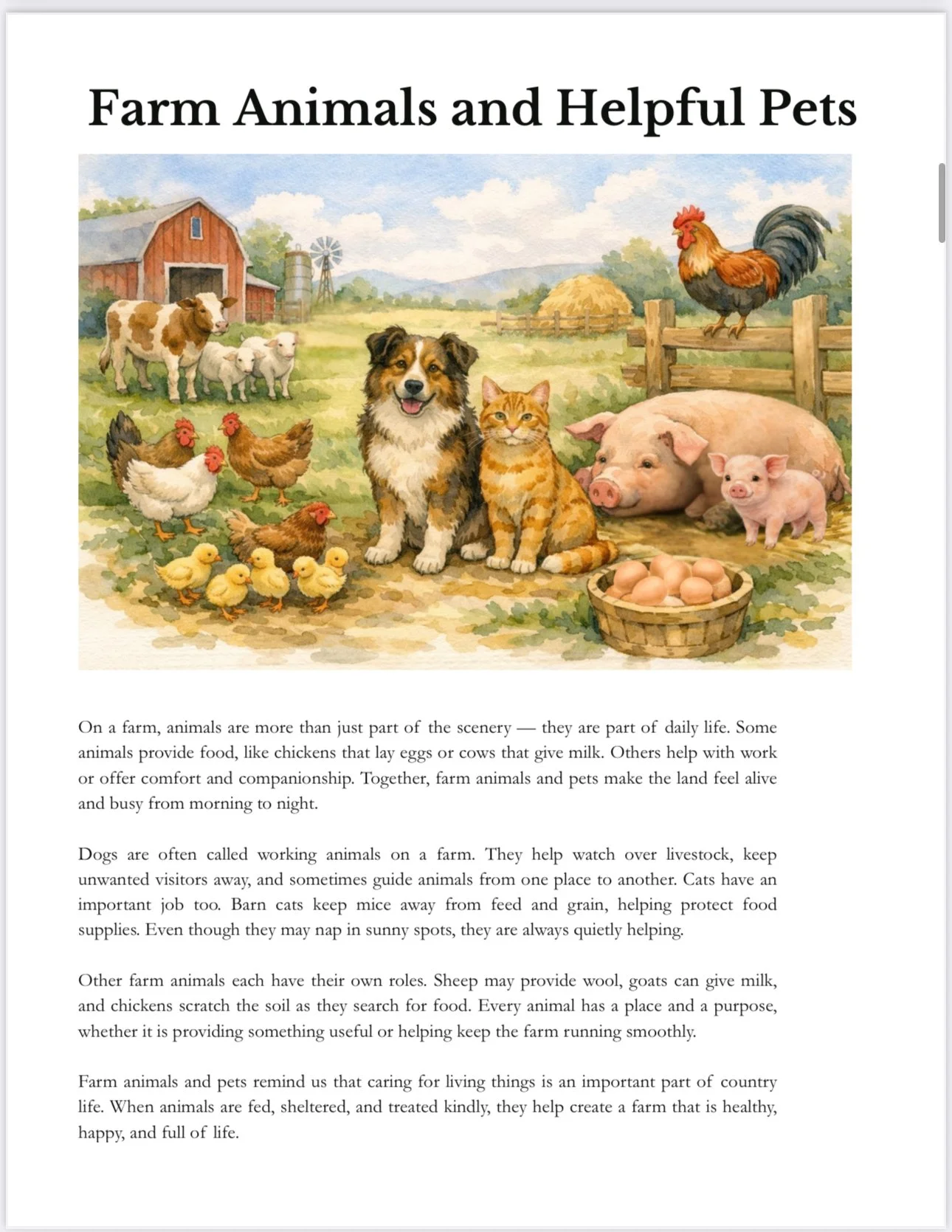 Image 7 of 21
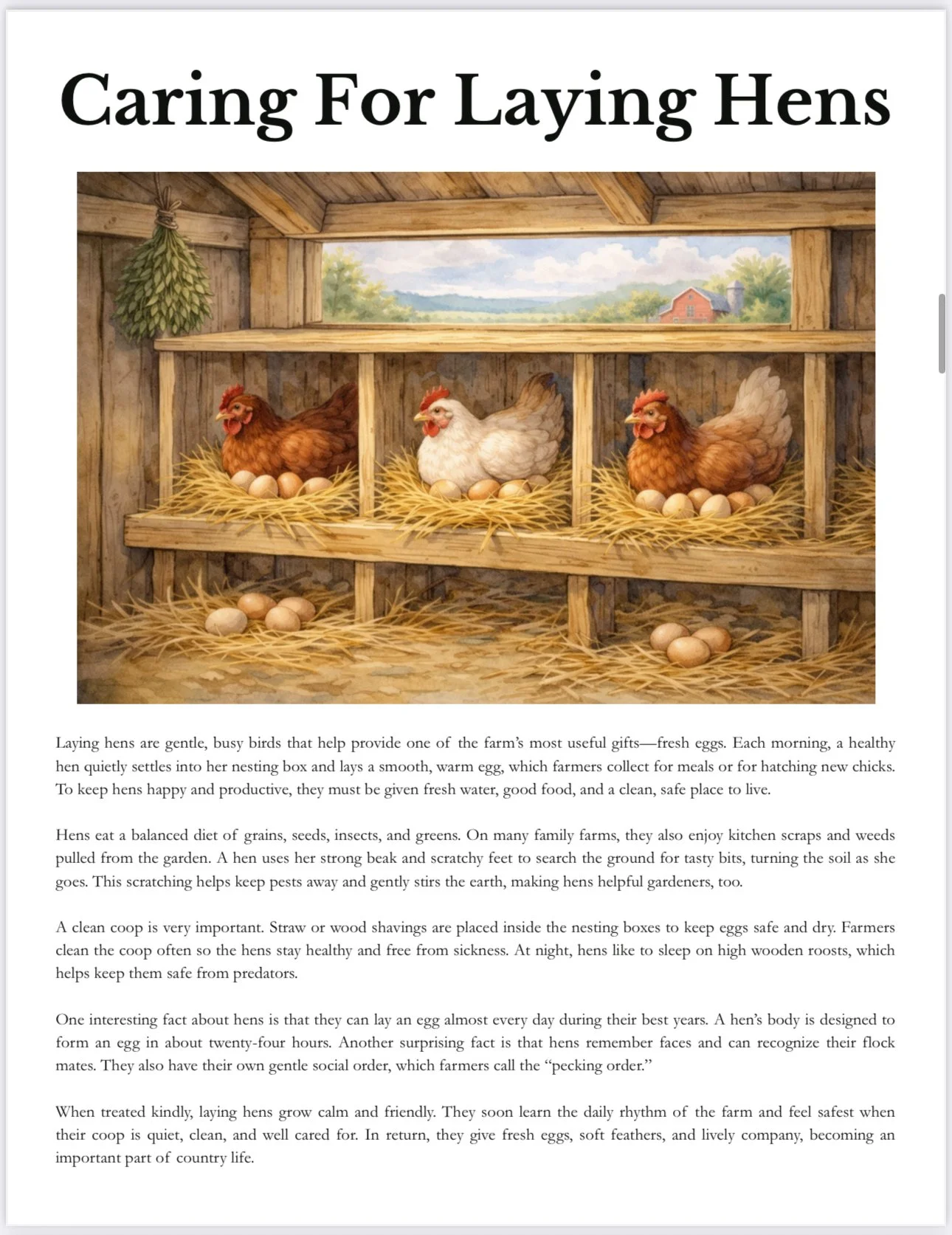 Image 8 of 21
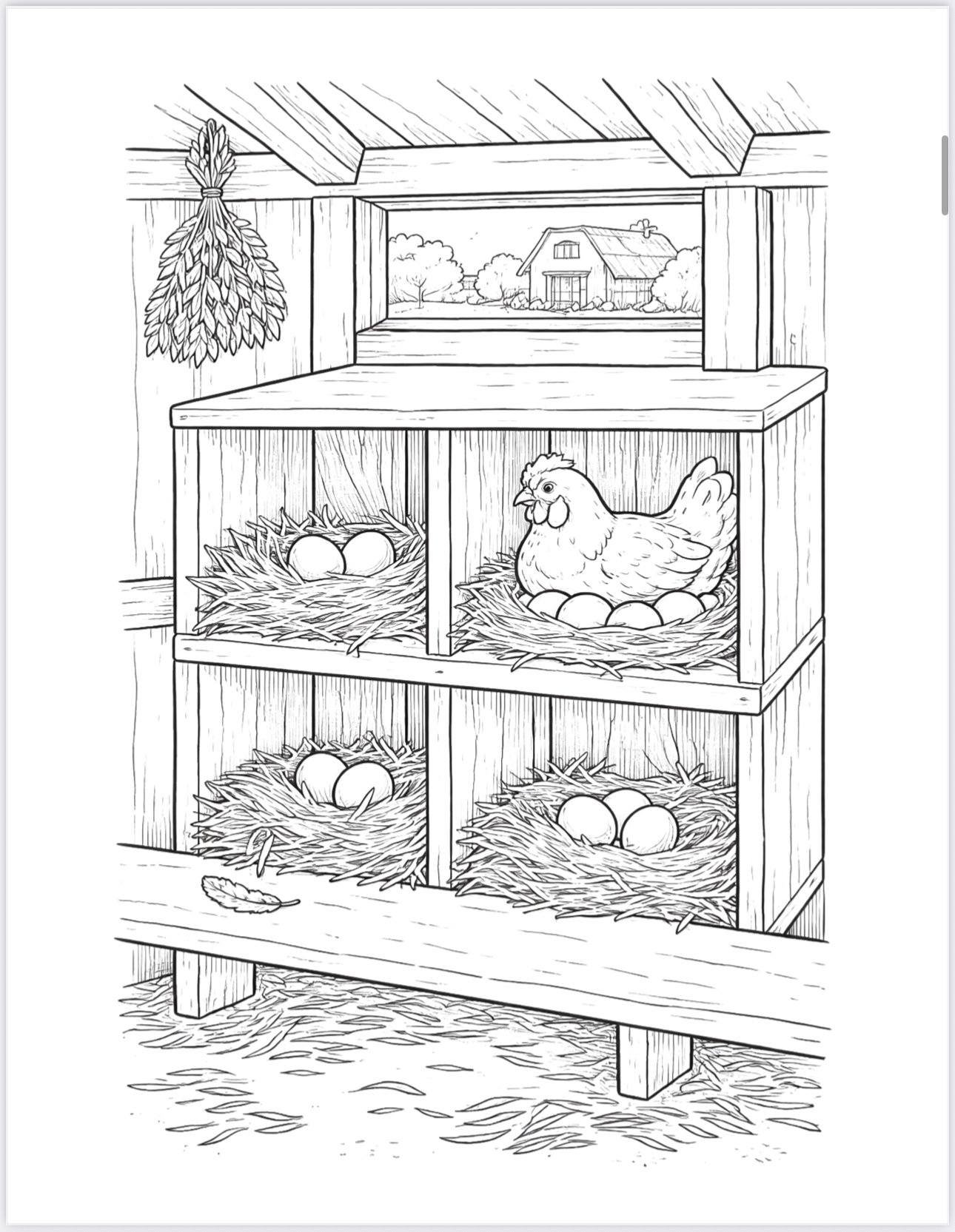 Image 9 of 21
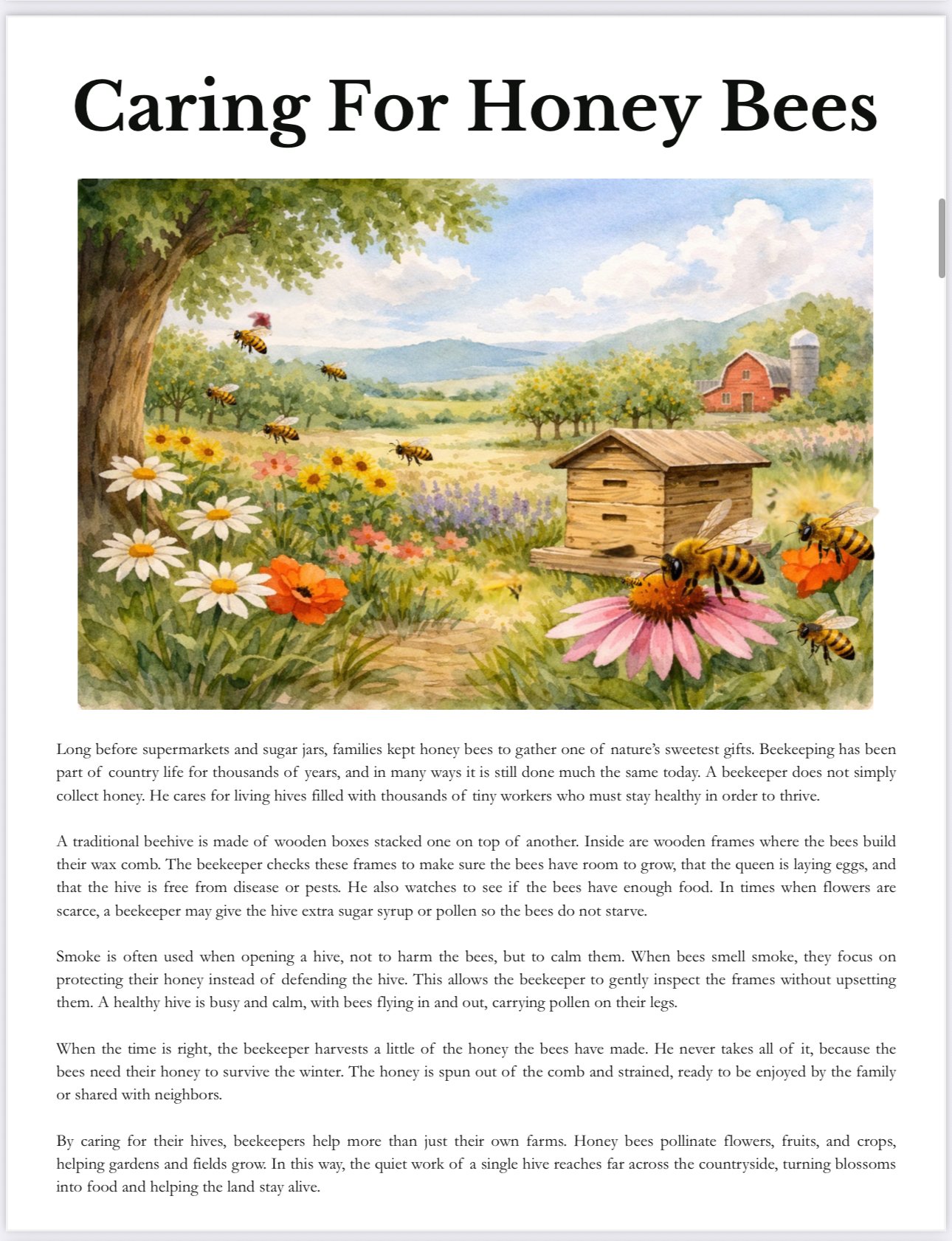 Image 10 of 21
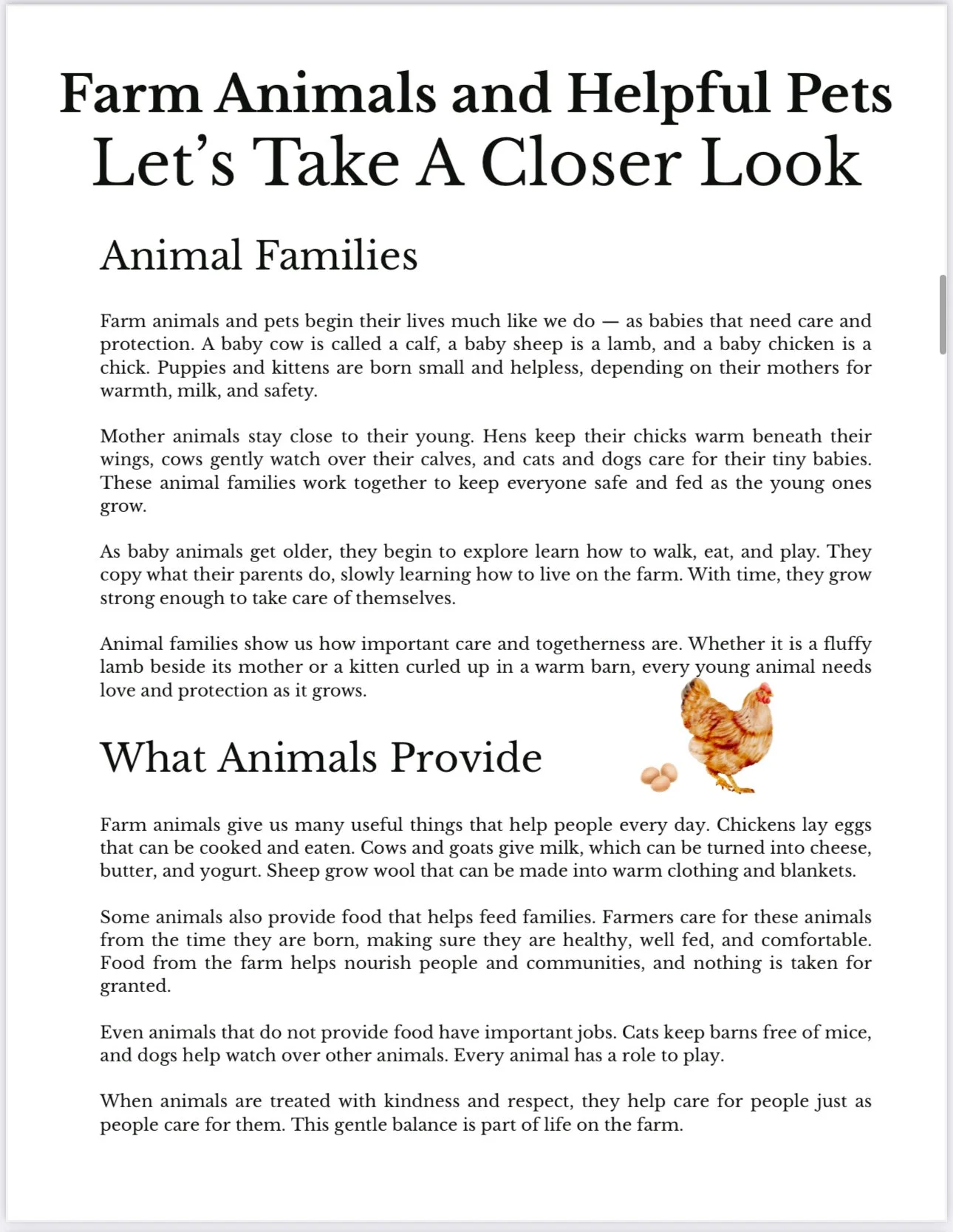 Image 11 of 21
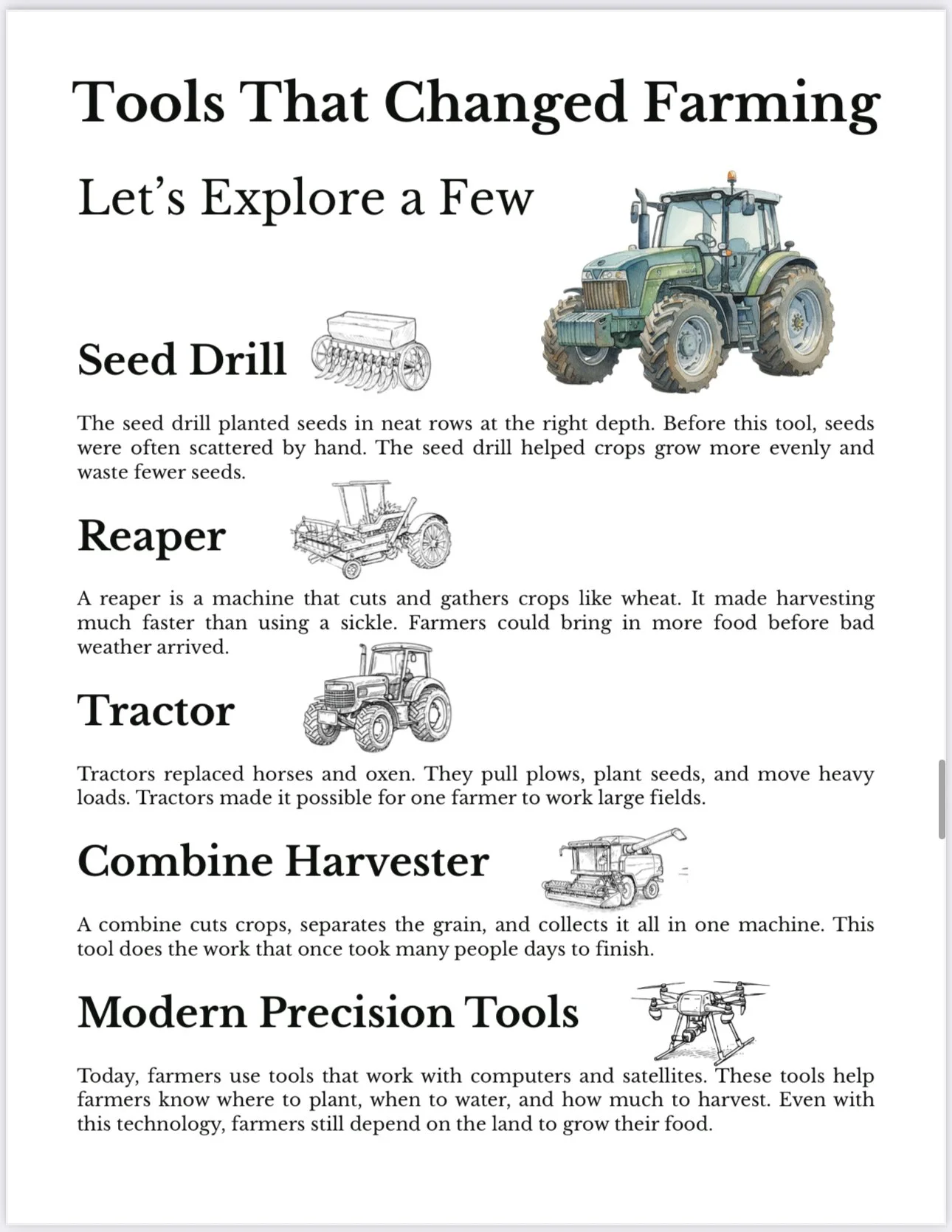 Image 12 of 21
 Image 13 of 21
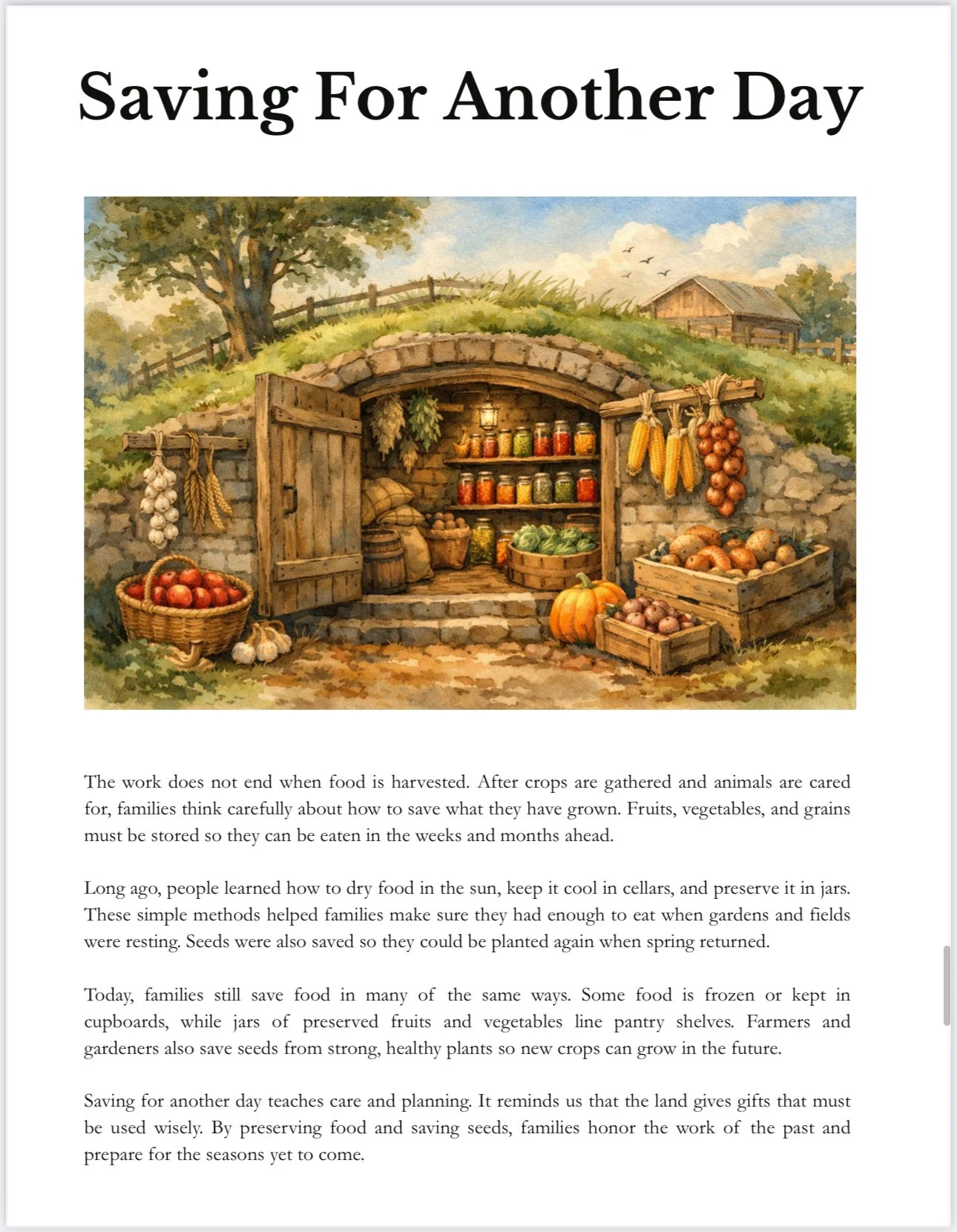 Image 14 of 21
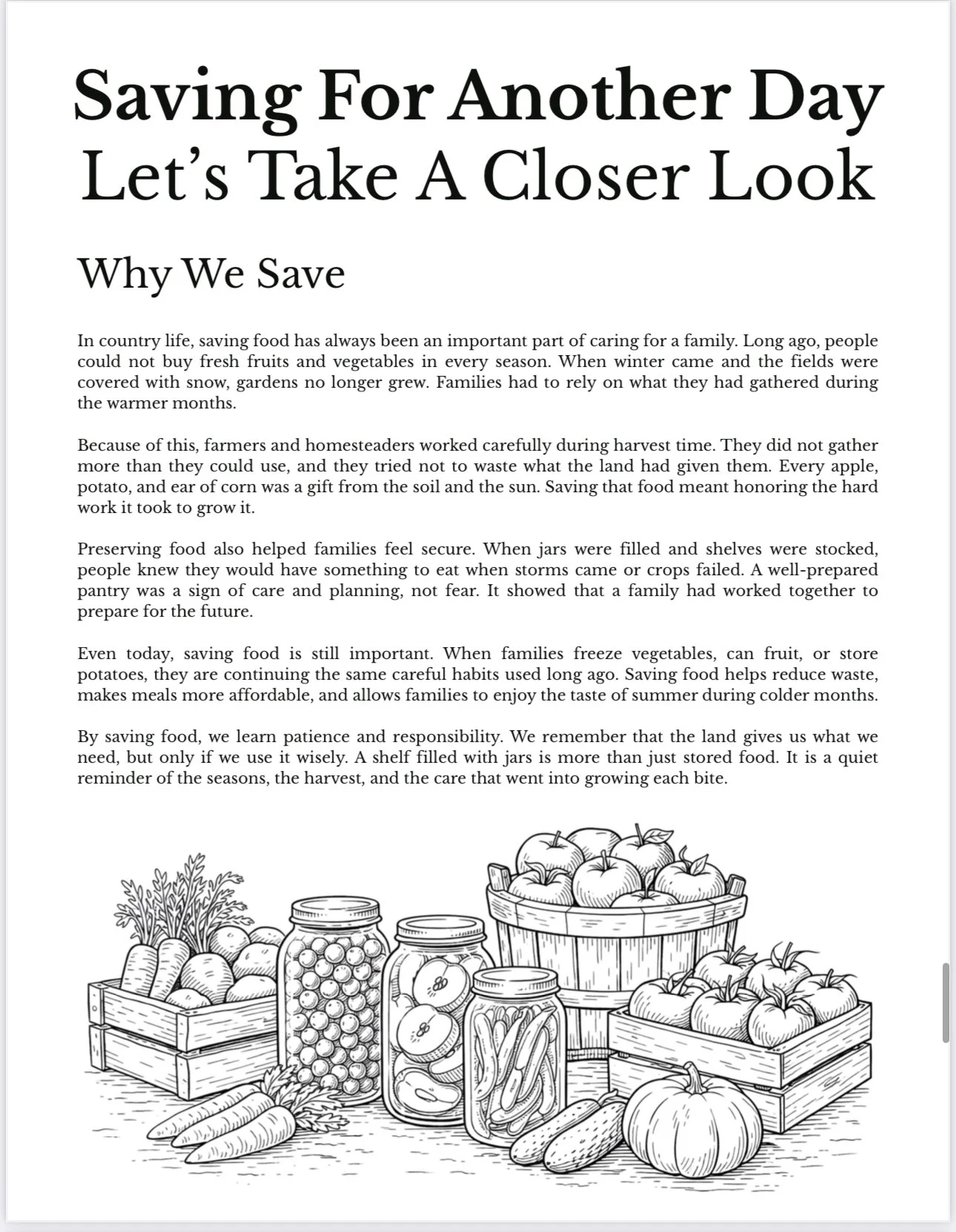 Image 15 of 21
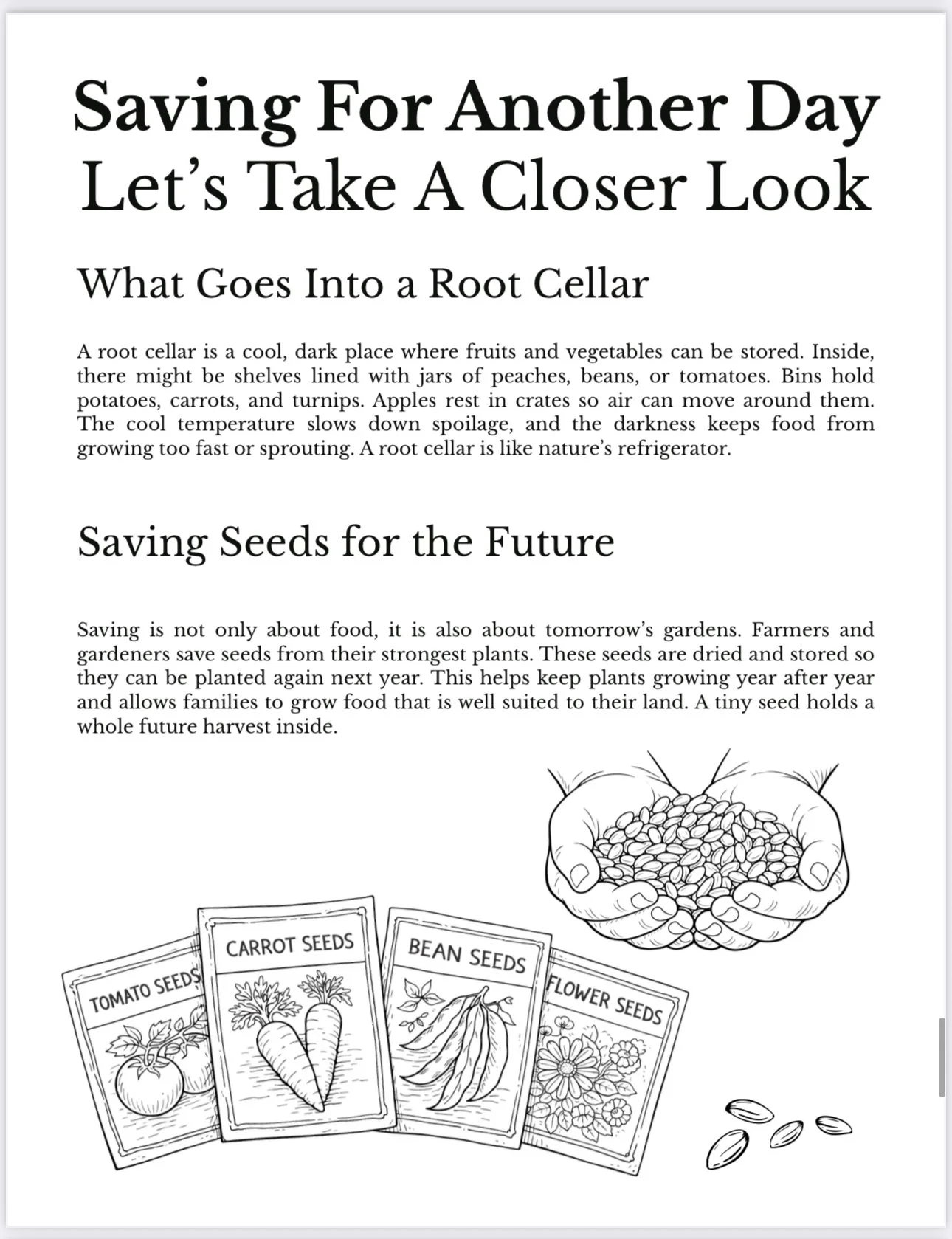 Image 16 of 21
 Image 17 of 21
 Image 18 of 21
 Image 19 of 21
 Image 20 of 21
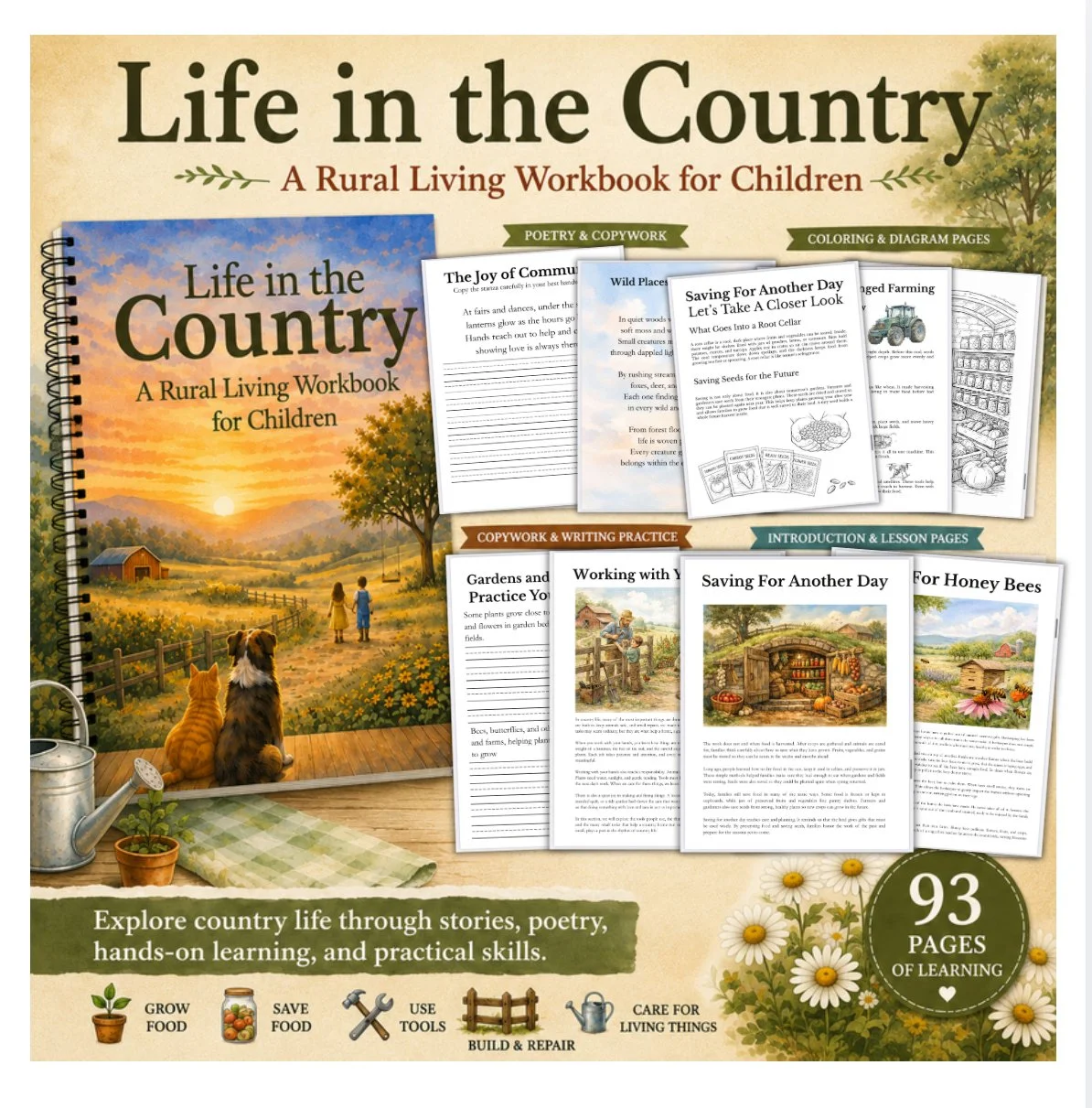 Image 21 of 21